
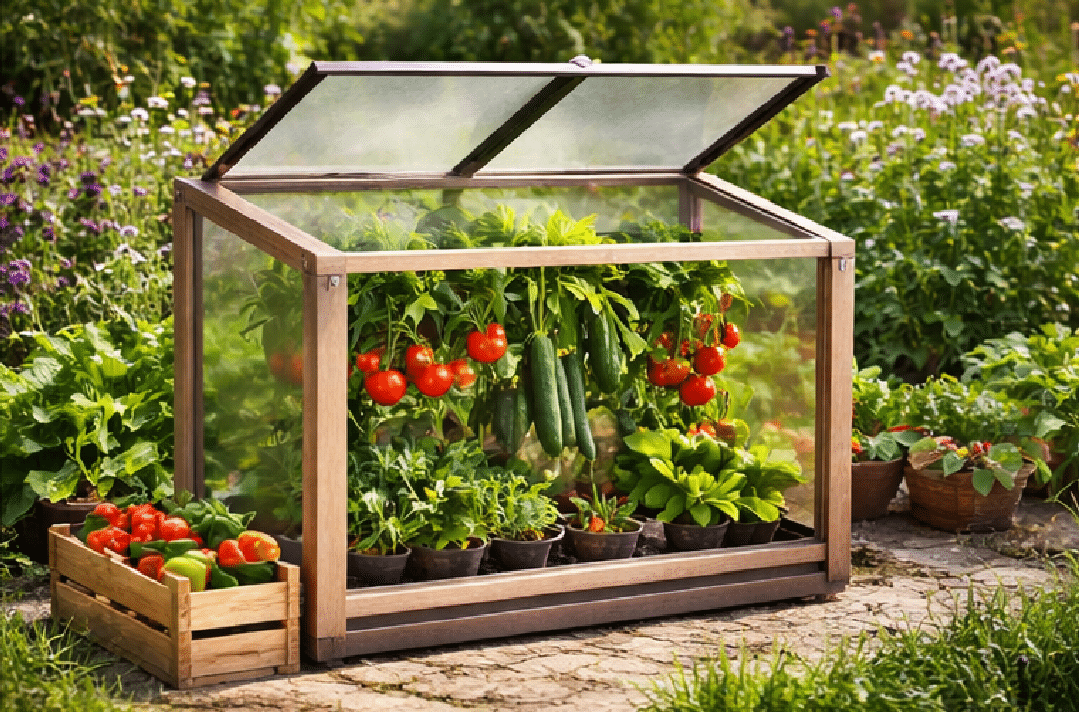
It is strangely serene to stand inside a greenhouse. The air smells of soil and green leaves, and it feels heavier and slightly humid. The weather outside may be erratic, with winds pushing against fences and clouds changing rapidly, but things inside move more slowly and steadily. It’s hard to ignore how deliberate everything seems.
A greenhouse is a building designed to cultivate plants in controlled environments. It typically has transparent walls and a glass or plastic roof that let in plenty of sunlight. The light transforms into heat inside, warming the soil and air. The warmth is trapped for a longer period of time than it would be outside, resulting in an ecosystem that doesn’t quite adhere to the rules of the surrounding environment.
Because it sounds almost too simple, people may underestimate the basic idea. Because sunlight enters and heat builds, tomatoes continue to grow even when the outside temperature drops dramatically. A visit to greenhouses during the winter, however, reveals something more intentional. In addition to retaining heat, the structure extends the seasons in ways that seem strange, but are effective.
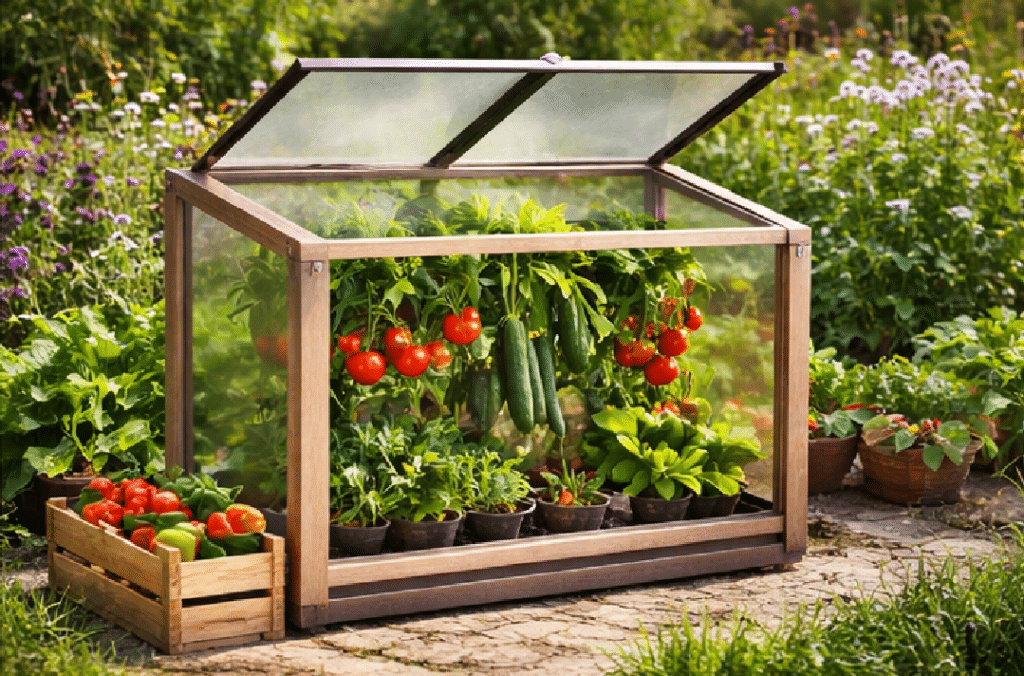
In the past, greenhouses weren’t so easily accessible. Farmers tried to protect crops with crude coverings during the Roman era. In Europe, ornate glasshouses came to symbolize wealth. When you stroll past old estates, you can still see the ruins of those tall, elaborate buildings; they used to house exotic plants and citrus trees that weren’t suited to the climate. It seems that greenhouses have always been about both control and curiosity.
Modern greenhouses come in a variety of types. There are some that sit silently beside a fence, no bigger than a shed in the backyard. The horizon is dominated by enormous glass structures in regions like the Netherlands, where they span entire fields. Industrial settings use computers to control humidity, temperature, and even light intensity. The effectiveness of this product is almost clinical. In contrast, smaller home greenhouses feel more intimate and less precise.
For a greenhouse to function, more than just sunlight is needed. Equilibrium is the key. Heat builds up quickly, sometimes too quickly, without ventilation. It is possible for plants to avoid overheating by releasing excess heat through windows, vents, or even tiny fans. Beginners may not fully understand how delicate that balance can be until something goes wrong — wilting leaves, excessively dry soil, or too much condensation form overnight.
Seasonal changes reveal another layer. During the winter, the greenhouse becomes a haven. Even weak sunlight can create a temperature differential that shields plants from frost. However, it isn’t magic. Cold climates often require additional heating, which adds expense and complexity. There is a subtle trade-off between increased control and increased responsibility.
It is surprising how difficult summer can be. Greenhouses are not just for warmth, and too much heat can cause problems. Especially on hot days, entering can feel like getting into a sealed car parked in the sun. The importance of shade, ventilation systems, and close observation cannot be overstated. It serves as a reminder that the same structure that protects plants can also stress them if handled improperly.
Cost is another factor that frequently influences choices. As a result of their lightweight construction, smaller greenhouses can be reasonably priced. Beginners will find them inexpensive, easy to assemble, and appealing. When constructed with sturdy materials and cutting-edge features, larger buildings can cost thousands of dollars. There is no definitive answer to the question of whether long-term benefits outweigh the initial outlay.
In spite of this, greenhouses remain popular for a reason. They provide some predictability in a world where the weather is more erratic. The process of growing plants becomes more about directing nature than responding to it. All gardeners, whether amateurs or experts, seem to appreciate that level of control-not total control, but enough to ensure consistency.
| Category | Details |
|---|---|
| Concept Name | Greenhouse |
| Field | Horticulture / Agriculture |
| Origin | Ancient Rome (early controlled growing structures) |
| Modern Use | Home gardening, commercial farming, research |
| Common Materials | Glass, polycarbonate, polyethylene |
| Purpose | Controlled plant-growing environment |
| Typical Cost | $200 – $10,000+ depending on size and features |
| Notable Region | Westland, Netherlands (major greenhouse hub) |
| Reference | https://www.rhs.org.uk (Royal Horticultural Society) |
When choosing a greenhouse, budget is not the only factor to consider. Climate, space, and plant species influence the choice. It may be sufficient to grow herbs and seedlings in a small setup, but larger structures allow for more ambitious growth plans. There is often a blend of pragmatism and hope in how gardeners approach this decision. People often consider what might happen in the future rather than just what exists today.
In the end, a greenhouse is more than just a structure. This is a small, controlled experiment that takes place in secret over several weeks or months. Sometimes plants flourish, sometimes they do not, demonstrating how delicate the balance is. The constant warmth inside explains why the concept has endured for centuries. The system works. It’s not easy.